





How to balance
Balancing is an important skill to acquire in life. It means finding a balance between different things, such as work and leisure time, study and recreation, nutrition and physical activity. When you can balance the different spheres of your life, you can live more peacefully and satisfactorily.
However, it's not always easy to find the right balance. Often we feel overwhelmed by too many things to do or focus too much on one thing, neglecting others. In this article, we'll give you some tips on how to best balance your daily life.
Why is balancing important?
Balancing means distributing your energies fairly among the various activities you perform during the day. When you can find the right balance, you avoid feeling stressed or overwhelmed by one area of your life. Furthermore, balancing helps maintain good mental and physical health.
- A good balance between work and leisure time helps reduce stress and improve productivity at work.
- A balanced diet and regular exercise help maintain good physical and mental health.
- Dedicating time to interpersonal relationships improves their quality and helps provide emotional support when needed.
In short, balancing is important for living a healthy and peaceful life. Keep reading to find out how!
Understanding the concept of balancing
Balancing is a fundamental concept when it comes to achieving goals in life. Balancing means finding a balance between different areas of your life, such as work, family, hobbies, and health.
Why is it important?
Balancing the different areas of your life can help reduce stress, improve mental and physical health, increase productivity, and improve overall quality of life.
How to balance?
The first step in balancing the different areas of your life is understanding what your priorities are. What are the things that are truly important in your life? What do you really want to achieve?
You can make a list of your priorities and try to dedicate time to each one. For example, if family is a priority, you could spend more time with your family every week.
In addition, you can also try to integrate some activities into your days that allow you to take care of yourself. For example, if you want to improve your physical health, you could start exercising regularly or eating healthy foods.
Practical examples
- If you're a full-time working parent, you could spend time with your family every evening after work. You could also try doing activities with your children during the weekend.
- If you want to improve your mental health, you could start meditating or practicing mindfulness for a few minutes every day.
In general, remember that balancing the different areas of your life requires time and effort. It's not easy to find the perfect balance, but you can take small steps every day to get closer to your goal.
Identifying the areas of life to balance
To balance your life, it's important to identify the different areas that make it up. Usually, these are:
- Work/career: includes paid work and professional activities.
- Family/relationships: includes relationships with partners, children, parents, and friends.
- Social life: refers to social and leisure activities such as going out with friends or attending cultural events.
- Spirituality/religion: concerns the search for a higher purpose in life and religious or spiritual practice.
- Personal growth: includes continuous learning and personal development through hobbies, sports, or other creative activities.
- Health/wellness: refers to taking care of your body and preventing illness through healthy eating, regular exercise, and other healthy behaviors.
- Finances: concerns managing money and investments to ensure present and future financial security.
Each person may have a different idea of which areas of life are most important to balance. For example, someone who has just started their career may focus more on work/career, while someone else who is facing health problems may prioritize health/wellness.
It's important to understand which areas of life are most important to oneself and find a balance between them. This way, one can live a more fulfilling and happy life.
Strategies for balancing personal and professional life
Balancing personal and professional life can be a challenge, but there are some strategies that can help you find a healthy balance between the two aspects of life.
1. Set boundaries
Setting boundaries is crucial for balancing personal and professional life. This means deciding when to work and when to dedicate yourself to your private life. For example, you could choose not to respond to work emails during the weekend or not bring your laptop on vacation.
2. Organize your time
Time organization is essential for balancing personal and professional life. A good idea might be to create a list of activities to do every day and carefully plan your days so that you have enough time to perform all the important activities both professionally and personally.
3. Exercise regularly
Regular exercise is important not only to keep you fit, but also to reduce stress and improve mood. Find a physical activity that you enjoy and try to practice it regularly, perhaps during lunch break or after work.
4. Be flexible
Be flexible when possible. There will be times when work will require more time and attention, but try to find a balance so as not to neglect your personal life. For example, you could choose to work from home one day a week to spend time with family or friends.
5. Seek help when needed
Don't be afraid to ask for help when needed. If you feel overwhelmed by work or personal life, talk to your colleagues or friends and ask for their support. This way you can lighten the load and find a healthier balance between personal and professional life.
- To recap:
- - Set limits;
- - Organize your time;
- - Exercise regularly;
- - Be flexible;
- - Seek help when needed.
Practical tips for maintaining balance over time
Maintaining a balance in life can be difficult, but there are some things you can do to help maintain balance over time. Here are some practical tips:
Set realistic goals
First of all, it's important to set realistic goals for yourself. This means considering your current responsibilities and commitments and planning accordingly. For example, if you have a full-time job, a family, and other commitments, it's not realistic to expect to spend two hours at the gym every evening.
Prioritize your activities
Secondly, it's important to learn how to prioritize your activities. Ask yourself what is most important to you and dedicate your time and energy to those things. This will help you avoid feeling overwhelmed and stressed.
Find activities that you enjoy
Find activities that you enjoy and that relax you. This could be anything from reading a book to practicing yoga or gardening. When you do something you enjoy, you are more likely to do it regularly and appreciate it.
Learn to say "no"
Learn to say "no" to requests that don't interest you or aren't important to you. There's no need to say "yes" to everything and overload yourself with work.
Seek support from others
Finally, seek support from others. Talk to friends, family, or coworkers if you feel overwhelmed or stressed. Ask for help if you need it and don't try to do it all alone.
- Set realistic goals
- Prioritize your activities
- Find activities that you enjoy
- Learn to say "no"
- Seek support from others
Remember that maintaining balance in life takes time and energy, but it's possible. Follow these practical tips to help you maintain balance over time.
Conclusion
Maintaining balance in life is essential for both mental and physical health. There are many things you can do to help achieve this goal, such as setting realistic goals, prioritizing your activities, finding activities you enjoy, learning to say "no," and seeking support from others. Don't forget to take time for yourself every day, even if it's just a few minutes. Remember that maintaining balance takes time and energy, but the benefits to your health and mental well-being are definitely worth it.
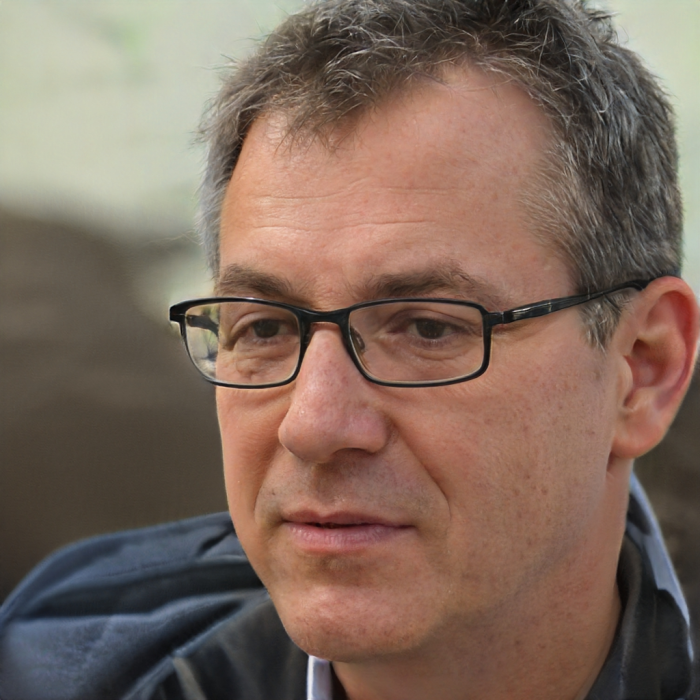
Michael Anderson - Software Engineer
My name is Michael Anderson, and I work as a computer engineer in Midland, Texas.
My passion is sharing my knowledge in various areas, and my purpose is to make education accessible to everyone. I believe it is essential to explain complex concepts in a simple and interesting way.
With GlobalHowTo, I aim to motivate and enrich the minds of those who want to learn.